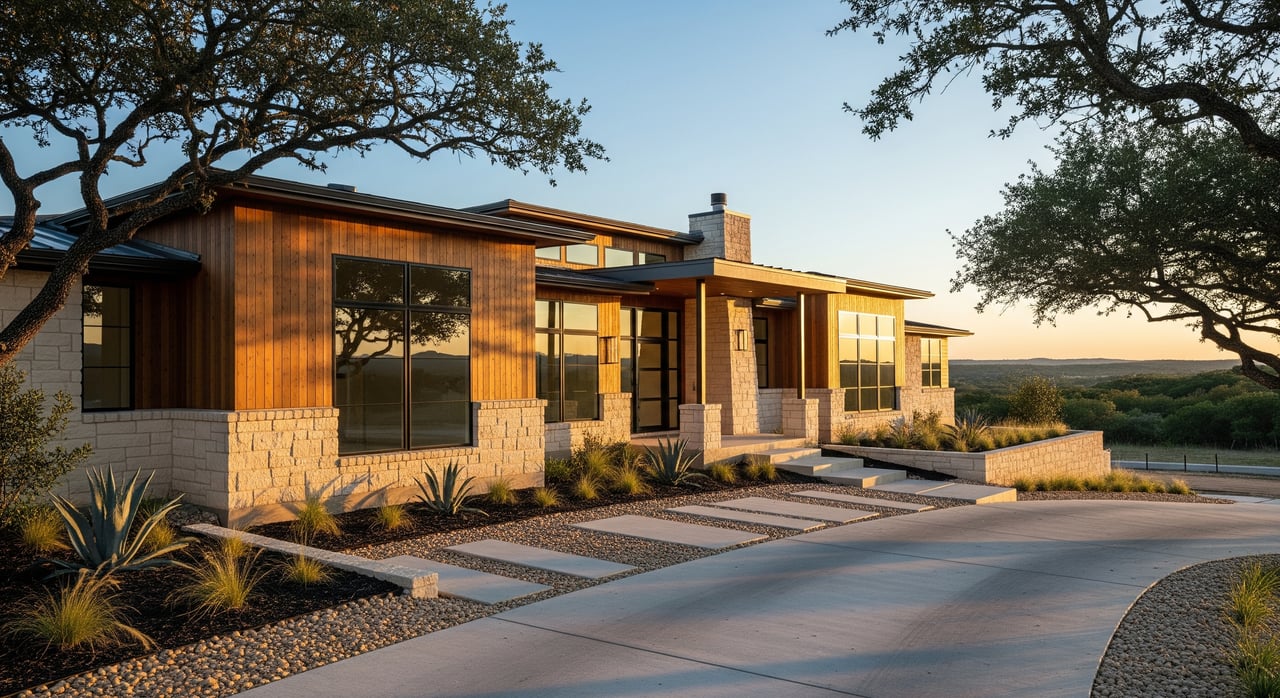
Trying to decide between a brand-new home or a resale in Cedar Park? You’re not alone. With growth around Austin and ongoing development in Williamson County, you have real options—but also a few tradeoffs to weigh. In this guide, you’ll compare costs, timelines, warranties, inspections, taxes, and neighborhood factors so you can move forward with confidence. Let’s dive in.
Cedar Park market factors to know
Cedar Park is a fast-growing Austin suburb with steady demand, new communities on the edges of town, and established neighborhoods closer to everyday amenities. Local conditions like inventory and time on market shift over time, so check current planning and development updates through the City of Cedar Park for context on where growth is headed.
Property taxes can be a meaningful part of your budget. Homes are assessed by the Williamson Central Appraisal District, and total tax rates reflect city, county, school district, and sometimes special districts. New construction is typically appraised upon completion, which can change your first-year tax bill.
School zoning influences where many buyers look. Much of Cedar Park is served by Leander ISD. For current attendance zones and campus information, use the Leander ISD boundary tools before you decide on a neighborhood or subdivision.
New construction: what you get
Key advantages
- Modern layouts, fresh finishes, and energy-efficient systems that meet current building codes.
- Lower near-term maintenance because HVAC, roof, plumbing, and electrical are new.
- Personalization options, from floor plans to fixtures, depending on the builder and build stage.
- Builder warranties that typically cover workmanship and major systems for specific periods. Review examples of common warranty structures through 2-10 Home Buyers Warranty.
Potential tradeoffs
- Higher upfront price once lot premiums and upgrades are added.
- Longer timelines. Building from scratch can take months depending on permits, weather, and materials.
- Limited price negotiation, though builders sometimes offer incentives like rate buydowns or closing credits.
- Appraisal risk in brand-new subdivisions with few comparable sales.
Financing and incentives
Builders often pair incentives with preferred lenders. Compare any temporary rate buydown or closing credit to outside loan offers to see the true long-term cost. If you plan to use FHA or VA financing, confirm new-construction requirements and documentation with your lender and consult HUD resources for program guidance.
Inspections and walkthroughs
Even a new home benefits from independent inspections. Schedule inspections at key points such as pre-drywall and final walkthrough. Professional groups like InterNACHI recommend third-party inspections to catch punch-list items and ensure systems perform as intended.
Resale homes: what to consider
Key advantages
- Faster move-in with no construction wait.
- More negotiation room on price, closing date, and seller concessions.
- Established neighborhoods with mature landscaping and clear comparable sales for appraisal.
- Unique features or updates not always found in new tract builds.
Potential tradeoffs
- Older roofs, HVAC, or water heaters may need replacement sooner.
- Possible deferred maintenance that shows up during inspection.
- Energy efficiency can be lower than current building standards.
Financing and appraisal
Appraisals for resale homes often rely on a deep pool of recent comps, which can make underwriting more straightforward. FHA and VA loans may require certain property conditions to be met, so factor in potential repairs found during inspection.
Inspections and disclosures
Texas sellers provide disclosures about property condition, and you should still order a general home inspection plus any specialty inspections you need. Inspection findings often inform negotiations, whether you ask for repairs, price adjustments, or credits.
Cedar Park-specific comparison
Price and cost of ownership
- New construction often carries a premium, especially in preferred locations with lot premiums and popular upgrades.
- Resale homes can offer better initial value, though you may budget for repairs or updates.
- For taxes, remember that new builds are appraised upon completion. Check the WCAD resources to understand how valuation and tax rates may affect your first year in the home.
Location and commute
New subdivisions often rise where land is available, typically on the edges of Cedar Park. Resale homes may sit closer to established retail, parks, or commuter routes like 183/183A, FM 620, and I-35. Decide whether you value proximity or new-home features more.
Schools and zoning
Confirm current and future attendance zones before committing to a lot or neighborhood. Use the Leander ISD boundary maps and speak with the district if you need clarification. School assignments can change as communities grow.
Amenities and HOA
Many new communities include developer-built amenities like pools, trails, and community centers, plus active HOAs. Established neighborhoods vary in amenities and HOA rules. Review all covenants, fees, and design guidelines before you sign.
Energy efficiency and comfort
New builds often deliver higher efficiency through insulation, windows, and HVAC. Programs like ENERGY STAR Certified New Homes can reduce utility costs and improve comfort. If you are comparing a resale, ask for past utility bills to estimate monthly costs.
How to choose what fits you
- Start with your move-in deadline. If you need to move in the next 60 to 90 days, resale may align better with your timeline.
- Map your budget across 3 years. Include upgrades, inspections, closing costs, tax changes, and likely repairs.
- Clarify your must-haves. If a specific floor plan, energy profile, or warranty coverage matters, new construction may win. If location, lot size, or character matters more, a resale could be your best pick.
- Check builder reputation or renovation quality. Read warranties carefully and ask for documentation of past permits and work.
Buyer checklist: new construction
- Confirm the lot location, premium, and nearby future development. Ask for a site plan.
- Request examples of completed homes and recent comparable sales in nearby subdivisions.
- Get the full written warranty and what is covered at each time period. See common structures via 2-10 Home Buyers Warranty.
- Verify the build timeline, closing target, and the process if delays occur.
- Review HOA documents, design rules, and annual assessments.
- Ask for energy details like insulation R-values, HVAC SEER, and certifications such as ENERGY STAR.
- Compare any builder incentives with outside loan options, including total cost over time.
- Hire an independent inspector for pre-drywall and final walkthroughs. Guidance from InterNACHI can help you plan.
- Confirm the financing path with a lender experienced in new-construction appraisals.
Buyer checklist: resale homes
- Review the seller’s disclosure and order a general home inspection plus any specialty inspections.
- Analyze nearby comps and days on market for the neighborhood.
- Ask for 12 months of utility bills to estimate monthly costs.
- Review HOA documents, if applicable.
- Request documentation for past renovations, permits, and transferable warranties.
Considering energy efficiency
If comfort and operating costs are top priorities, new construction often holds an edge thanks to modern codes and high-efficiency systems. Some builders pursue certifications like ENERGY STAR for New Homes, which can help you compare performance more objectively. If you prefer a resale home, you can budget for efficiency upgrades like insulation, window replacements, and HVAC improvements over time.
What to expect from warranties and inspections
Builder warranties vary, so read every line and confirm who is responsible for what. Programs structured like the 2-10 Home Buyers Warranty often separate coverage for workmanship, systems, and structural components by time period. For both new and resale, third-party inspections remain essential. Organizations such as InterNACHI recommend independent inspections to protect your investment.
Final thoughts and next steps
New construction gives you modern design, energy efficiency, and warranty peace of mind, while resale offers location advantages, faster timelines, and often greater negotiation flexibility. Focus on total cost of ownership, not just the sticker price, and use local resources like the City of Cedar Park, WCAD, and Leander ISD to validate details that matter to your long-term plans.
If you want a clear, step-by-step plan tailored to your goals, reach out to our team for a quick strategy conversation. Book your next move with Luxury Presence and get guidance you can trust.
FAQs
What are the biggest cost differences between new and resale in Cedar Park?
- New builds often include lot premiums and upgrades that raise the final price, while resale may require immediate repairs or updates. New construction can also see a post-completion appraisal that affects your first-year tax bill through WCAD.
How long does a new construction build typically take?
- Timelines vary by builder, permitting, weather, and materials. Expect several months from contract to close for a to-be-built home. Move-in-ready spec homes can shorten the timeline.
Do I need an inspection on a brand-new home?
- Yes. Independent inspections at pre-drywall and final walkthrough stages help catch issues early. Organizations like InterNACHI recommend third-party inspections even for new homes.
How do schools affect my home search in Cedar Park?
- School zoning can influence demand and resale potential. Verify current and projected attendance zones through Leander ISD before committing to a lot or neighborhood.
Are new homes more energy efficient than resale?
- Generally, yes. New homes must meet current codes and often feature high-efficiency HVAC and insulation. Look for programs like ENERGY STAR Certified New Homes to compare performance.