Closing day feels like the finish line. You've signed the stack of papers, the keys are in your hand, and the inspection report from three weeks ago is filed away as a thing that already happened. For most Cedar Park buyers, that's exactly the problem. The inspection that actually protects your money isn't the one before closing. It's the one almost nobody schedules, sitting quietly at month eleven, right before a builder's warranty runs out and stops being your safety net.
That single missed appointment is worth more attention than the generic advice to "get an inspection" ever gives it credit for. And what that inspection needs to catch depends heavily on where in Cedar Park you actually bought.
Same City, Different Ground
Cedar Park isn't one housing stock. It's several, stacked next to each other on different soil, built in different decades, aging in different ways. A licensed inspector working here will tell you the checklist changes by subdivision, not just by house age.
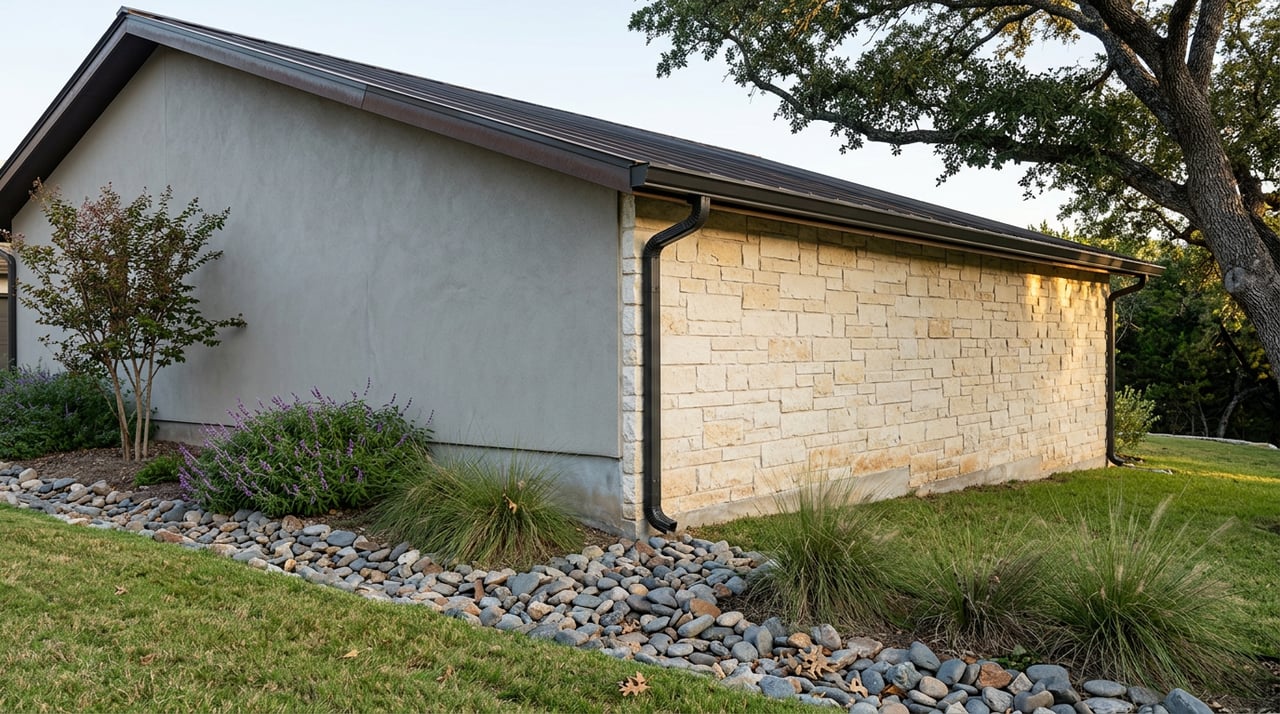
In Buttercup Creek, one of the city's established favorites, the concern is what's behind the walls: aging cast-iron plumbing and original 1980s and 90s electrical panels that were code-compliant decades ago and aren't anymore. In Anderson Mill West, known for its mature tree canopy, the risk runs underground: root intrusion into sewer lines and foundations that have had thirty-plus years to settle. Twin Creeks, the city's luxury country club community, brings a different set of problems entirely: hillside lots need serious drainage capacity, and the custom stone exteriors that make these homes distinctive also make repairs more specialized and more expensive. And in Parkside at Mayfield Ranch, one of the fastest-growing pockets of new construction in the city, the issue isn't age at all. It's builder oversight on homes that haven't finished settling yet.
| Subdivision | What Defines It | Where Inspectors Focus |
|---|---|---|
| Buttercup Creek | Established, older housing stock | Cast-iron plumbing, original 1980s-90s electrical panels |
| Anderson Mill West | Mature trees, established foundations | Root intrusion into sewer lines, aging foundations |
| Twin Creeks | Luxury country club, hillside lots | Drainage capacity, custom stone exterior maintenance |
| Parkside at Mayfield Ranch | High-growth new construction | Pre-drywall inspections, builder oversight on new builds |
That range exists because Cedar Park itself sits on a soil transition. The western part of the city runs rockier, closer to limestone. The eastern side carries more expansive clay, the kind that swells and contracts with moisture and puts steady pressure on foundations over time. A house in Twin Creeks and a house in Buttercup Creek can be five miles apart and need almost entirely different inspection priorities.
The Warranty Clock That Actually Runs the Show
For anyone buying new construction, the geography matters less than the calendar. Most production builders in Texas structure their warranty coverage in tiers, commonly described as a 1-2-10: one year for workmanship and materials, two years for major systems like HVAC, plumbing, and electrical, and up to ten years for structural components, though exact terms vary by builder and should be confirmed in writing before you sign.
The workmanship tier is the one that quietly expires the fastest, and it's also the one most buyers never revisit. Here's why that's a problem. A pre-closing walkthrough only shows you what the house looks like on day one. Drywall cracks from soil movement, grading that directs water toward the foundation instead of away from it, HVAC systems that struggle once summer actually arrives: none of that is visible before the home has lived through a full weather cycle. By month ten, it usually is.
That's the entire logic behind scheduling an independent 11-month inspection, roughly 30 to 60 days before the one-year workmanship warranty closes. A licensed inspector documents what's still covered, you submit it in writing to the builder's warranty department, and the builder has time to schedule repairs before the deadline erases their obligation to do so at all.
A final walkthrough shows you the house as it exists on the day you get the keys. It says nothing about the house after a full Texas summer.
The inspection itself typically runs $300 to $500. Skipping it is the expensive part. Buyers who miss that window and discover issues after month twelve are generally looking at $2,000 to $8,000 in out-of-pocket repairs for things that would have been covered had they been documented in time.
Why This Matters More In Today's Market
Cedar Park's housing market right now sits in a place that makes this timing even more relevant. In the three months ending July 2026, the median sale price in Cedar Park was $520,000, up 4.5% from the same period the year before, with homes selling in an average of 46 days, compared to 42 days the previous year. That's a market Redfin currently describes as moderately competitive, fast enough that buyers are still making decisions quickly, but not so overheated that every contingency gets waived to compete.
That middle ground is exactly where the 11-month inspection earns its value. Buyers moving at this pace often don't have the leverage to demand every possible pre-closing concession from a builder, especially on new construction where inventory has been moving. The month-11 inspection becomes the point in the process where a buyer gets real, documented leverage back, simply by using a deadline the builder already agreed to.
A Calendar, Not a Checklist
Buyers who handle this well treat the first year less like a single event and more like three scheduled check-ins.
- Day 30. Document anything you notice right away with photos and written notes, and submit an initial list to the builder. Verbal complaints don't create an enforceable record.
- Month 6. Recheck grading and drainage around the foundation, door and window alignment, and how the HVAC system is performing under real seasonal load.
- Month 10 to 11. Schedule a full independent inspection and submit the findings in writing, giving the builder enough runway to complete repairs before the one-year workmanship coverage ends.
Buyers who log issues within the first 90 days after closing tend to resolve claims at a noticeably higher rate than those who wait and try to submit everything at once near month eleven.
If The Builder Doesn't Respond
Most builders want to resolve warranty items without a dispute, but Texas law does provide a formal path if that doesn't happen. Under the state's Residential Construction Liability Act, homeowners generally need to send a written notice describing the defects in reasonable detail before filing a lawsuit, and that notice typically needs to go out at least 60 days ahead of any court filing. It's a process built to encourage resolution before litigation, and it's another reason written documentation from day one matters more than a verbal conversation with a site supervisor.
What To Ask Before You Sign Anything
A few questions are worth asking before you're under contract on new construction in Cedar Park, particularly in a fast-growing pocket like Parkside at Mayfield Ranch:
- Which company backs the structural warranty, and what are its specific terms in writing
- What are the exact submission windows for workmanship claims, commonly structured around 30, 60, and 90 days after closing
- Whether the builder will cover a third-party extended warranty as a closing concession, something production builders are often willing to negotiate on homes priced above $350,000
A Couple of Questions This Raises
Does a resale home in Buttercup Creek or Anderson Mill West need the same 11-month clock? Not in the same way. Resale homes typically don't come with a builder's workmanship warranty, so the pre-offer inspection carries more weight, with specific attention to the issues tied to that subdivision's age, like cast-iron plumbing or root intrusion around older foundations.
What if I'm already past month twelve on a new build and just noticed a problem? The workmanship tier may have closed, but major systems and structural coverage generally run longer, often two years for systems and up to ten years for structural components depending on the builder. Document what you're seeing immediately and put it in writing, even if the first-year window has passed.
Cedar Park's growth means no two subdivisions are protecting you from quite the same risks, and no two warranty clocks run out at quite the same moment you'd expect. Buyers who treat the process as a calendar instead of a single closing-day event tend to be the ones who get repairs covered instead of paying for them twice.
If you're weighing new construction against an established Cedar Park neighborhood, or you're trying to figure out where your own home sits on that warranty timeline, Golden Real Estate Group can walk through the specifics with you. Book a Consultation and we'll help you build a plan that fits your address, not just a generic checklist.