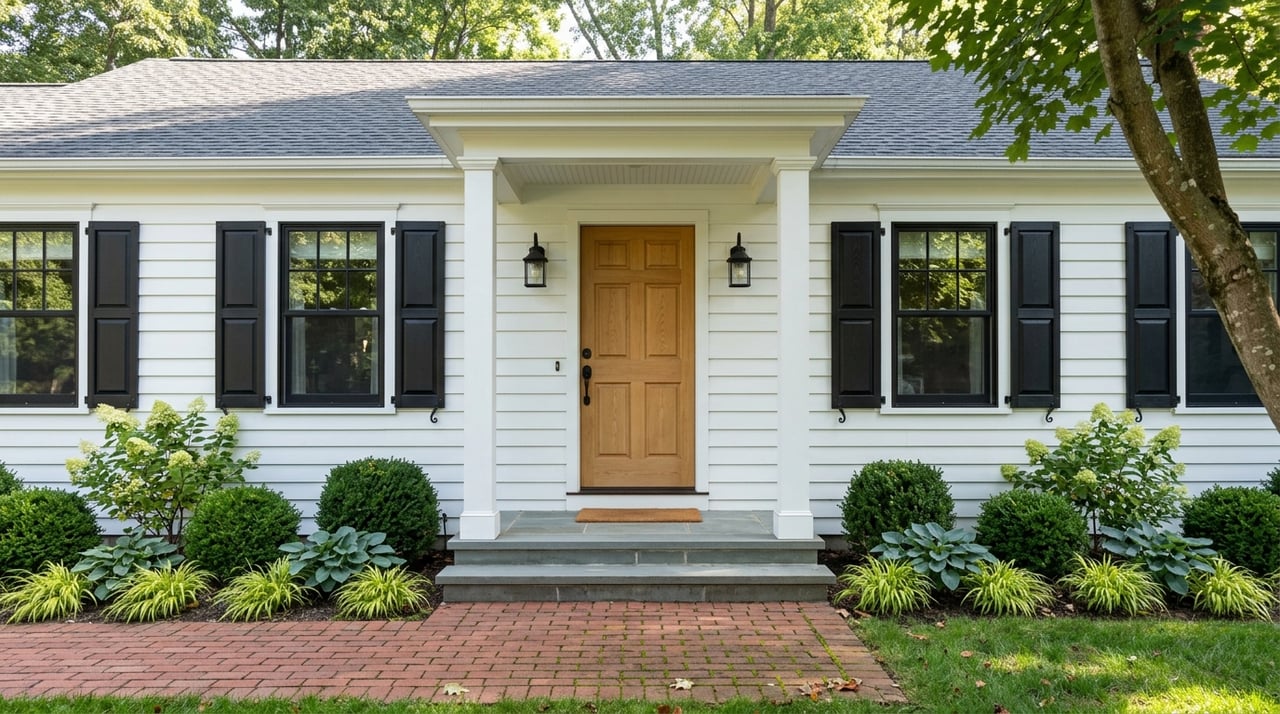
Thinking about buying or selling in Roslyn Heights? One of the fastest ways to understand a home’s potential is to understand its architectural style. In a place like Roslyn Heights, where housing developed in layers over time, style can tell you a lot about layout, upkeep, renovation options, and even how a home fits into the wider streetscape. If you want to know what Colonials, Capes, split-levels, and other local styles really offer, this guide will walk you through it. Let’s dive in.
Why architecture matters in Roslyn Heights
Roslyn Heights is not a one-style housing market. According to the Roslyn Landmark Society, the area grew in stages during the late 19th and early 20th centuries after rail service improved through Roslyn in 1887. That growth created a patchwork of homes built by different owners and builders, which is why you see a mix of Victorian, Tudor Revival, Prairie or American Foursquare, Craftsman, Colonial Revival, and later postwar styles.
That variety gives you more choice, but it also means two homes on nearby blocks can live very differently. A formal Colonial may offer a very different daily routine than a compact Cape or a flexible split-level. For buyers and sellers alike, style is not just about curb appeal. It shapes how the home functions and what updates may make sense over time.
Today’s market context makes that even more important. Census QuickFacts shows Roslyn Heights has a 93.3% owner-occupied housing rate, a median owner-occupied value of $941,300, and a high share of residents who stayed in the same home over the past year. In a stable, owner-heavy market like this, long-term maintenance and thoughtful improvements tend to matter.
Colonial Revival homes in Roslyn Heights
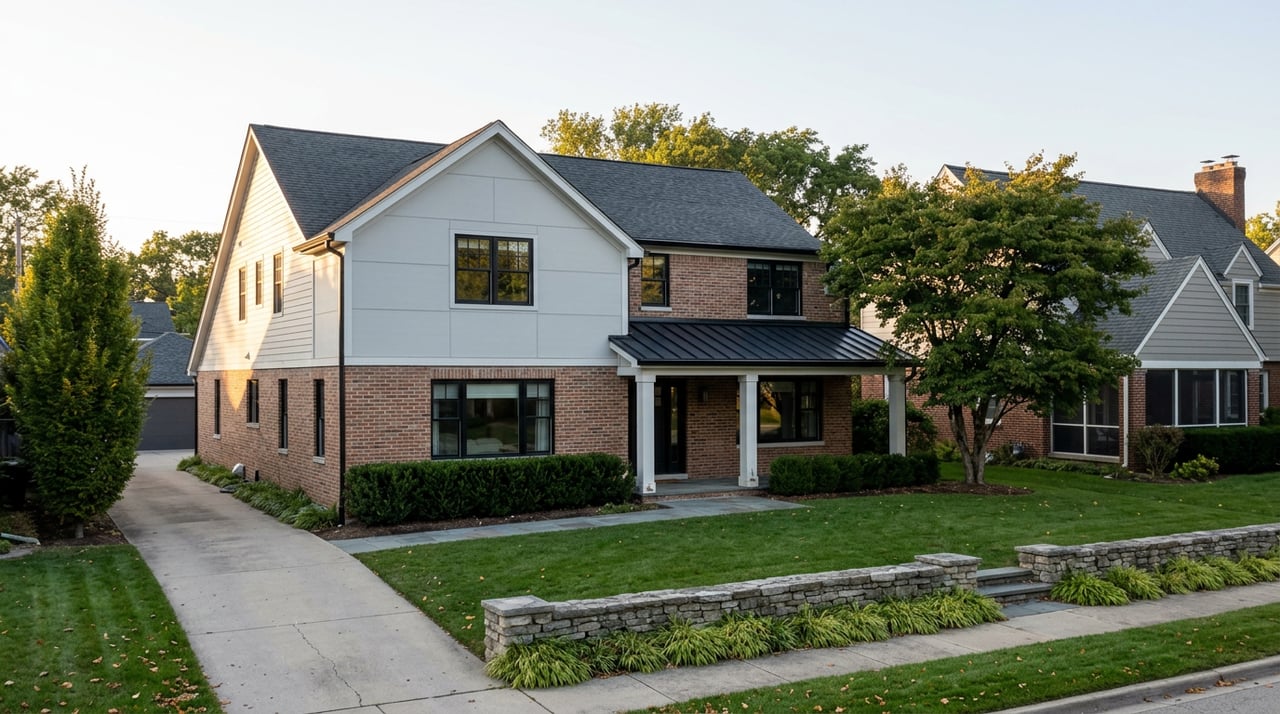
Colonial Revival is the most common style to understand in Roslyn Heights. The National Park Service describes the style as drawing from Georgian and Federal precedents, usually with a symmetrical front, side-gabled roof, prominent entry, and classical details. In Roslyn Heights, local examples often include columns, bay-window or Palladian-style details, and a more formal look that fits the neighborhood’s early-20th-century character.
What Colonial homes offer you
If you like a traditional floor plan, a Colonial often feels familiar right away. These homes usually place living and dining areas on the main level, with bedrooms upstairs. That separation can work well if you want quieter sleeping areas, a home office, or spaces with more defined uses.
Colonials also tend to have broad appeal because the layout is easy for many buyers to understand. For sellers, that can be helpful when presenting a home to the market. Buyers often recognize the flow quickly and can imagine how the rooms will work for everyday living.
Common tradeoffs in Colonial layouts
The same features that create structure can also feel more formal. Kitchens may be more closed off than what some buyers want today. Mudrooms, larger kitchen footprints, and more open connections between rooms are often high on the renovation wish list.
That does not make a Colonial less useful. It just means many owners see these homes as candidates for moderate updates rather than complete reworking. The strongest results often come from improving function while respecting the home’s original form.
Cape Cod homes in Roslyn Heights
Cape Cod homes are usually the compact, efficient option in the local housing mix. The National Park Service describes the Cape Cod as a subtype of Colonial Revival, typically one-and-one-half stories with a gabled roof, dormers, and a centered entrance. In Roslyn Heights, Capes sit alongside Colonials, ranches, and Victorians, and local coverage notes that some original homes in the southern tier began as Cape-style houses before later expansion or replacement.
Why buyers are drawn to Capes
A Cape often offers charm without the scale of a larger house. If you want character and a more manageable footprint, this style can be very appealing. Main living areas are usually efficient, and the smaller size can make day-to-day upkeep feel more approachable.
Outdoor space can play a bigger role with a Cape. Because the house footprint is often smaller, a usable yard, patio, or porch may feel like an extension of the living area. That balance can be attractive if you want character indoors and flexibility outside.
What to watch for in a Cape
The biggest tradeoff is usually space. Upper-level bedrooms can feel tighter because of the roof slope, and storage may be less generous than in a larger Colonial. That is why many renovations focus on dormers, rear additions, or finished lower levels.
If you are buying a Cape, it helps to think one step ahead. The home may work beautifully as it is today, but you should also consider whether there is a realistic path to create more room later if your needs change.
Split-level homes in Roslyn Heights
Split-level homes represent a more postwar layer of Roslyn Heights. The National Park Service describes a split-level as a three-level residence with living, dining, and kitchen spaces on the main level, bedrooms above, and a lower level that often includes a garage, recreation room, or utility area. Local neighborhood coverage specifically identifies split-levels as part of the Roslyn Heights housing mix.
What makes split-levels practical
A split-level can give you useful separation without spreading everything across one long floor. The lower level often becomes a flexible zone for storage, casual living, hobbies, or recreation. That can make the home feel adaptable even when the footprint is not especially large.
For many buyers, the appeal is functionality. You get different areas for different activities, and the upper bedroom level tends to stay more private. In a market where many homes have been updated or rebuilt over time, split-levels can be appealing if you value usable square footage over formal symmetry.
Where split-levels may need updates
The tradeoff is flow. Staggered floors and multiple short stair runs can feel less intuitive than a Colonial or ranch. Renovation projects often focus on making the entry feel clearer, improving kitchen openness, or creating better visual connection between levels.
That does not mean a split-level is hard to live in. It simply rewards buyers who appreciate function and flexibility and who are comfortable with a layout that is a little different from more traditional homes.
Other styles you may see nearby
Roslyn Heights includes more than just its best-known house types. In and around the historic district, you may also see Queen Anne, Tudor Revival, Prairie or American Foursquare, Craftsman, bungalow, and other early-20th-century forms. These homes add to the layered feel of the neighborhood.
In practical terms, that means your home search may include porch-oriented older houses near the historic core and more postwar or rebuilt homes farther out. The result is a market with real variety. Instead of asking which style is best, it is often smarter to ask which style best fits how you live.
Historic district rules can shape your options
One of the most important questions in Roslyn Heights is whether a home sits within the Town of North Hempstead historic district. The town says the Roslyn Heights Historic District was designated in 1999 and contains 74 properties. Exterior changes are reviewed by the local Historic Landmarks Preservation Commission.
That review process matters for both buyers and owners planning updates. The town states that a Certificate of Appropriateness is needed for exterior work involving features such as windows, doors, roofs, porches, patios, walkways, driveways, terraces, outbuildings, solar equipment, tree removal, and landscaping. Interior work does not require HLPC approval.
Even non-contributing homes in the district, including styles such as ranches, split ranches, and bungalows, still go through review, though the standard is different. If you are considering a home in the district, style and renovation potential should be part of the same conversation.
How to choose the right style for your goals
The best style for you depends on how you want to live. A Colonial may suit you if you want a familiar layout, more formal room separation, and broad resale appeal. A Cape may make sense if you value charm, a smaller footprint, and the option to expand over time.
A split-level may be the better fit if you want flexible multi-level living and space that can adapt to changing needs. Other older styles may offer distinctive character, but they may also come with more specific maintenance or design considerations. In every case, the most useful question is not just what looks good from the curb, but how the house supports your daily routine.
What sellers should know about architectural style
If you are selling, your home’s style is part of its story. Buyers usually respond best when they can quickly understand what makes the home practical, appealing, and true to itself. A Colonial may benefit from highlighting layout and room definition, while a Cape may shine when its efficiency and expansion potential are clear.
Split-level homes often benefit from smart presentation of flexible living areas. In Roslyn Heights, where ownership is stable and values are high, buyers are often thinking beyond first impressions. They want to understand maintenance, update potential, and whether the home’s form supports the life they want to build.
Why style and planning go together
In Roslyn Heights, architecture is not just aesthetic. It affects renovation scope, maintenance priorities, and even the approvals you may need for exterior work. Because the area includes both historic homes and later additions to the housing stock, each property asks for a slightly different lens.
That is why a clear, local understanding matters. When you match the home’s style with your goals, budget, and timeline, you make better decisions. Whether you are buying your next home or preparing to sell, knowing what each architectural style offers can help you move forward with more confidence.
If you are weighing homes in Roslyn Heights or planning how to position your current property, working with a team that values clear market insight can make the process easier. To start the conversation, connect with Luxury Presence.
FAQs
What is the most common architectural style in Roslyn Heights?
- Colonial Revival is the most predominant style in Roslyn Heights, especially within the area’s early-20th-century streetscape.
What do Cape Cod homes in Roslyn Heights typically offer?
- Cape Cod homes usually offer a smaller, efficient layout, classic charm, and potential for later expansion through dormers, additions, or lower-level finishing.
What makes split-level homes in Roslyn Heights different?
- Split-level homes separate living spaces across staggered levels, often with main living areas on one level, bedrooms above, and flexible lower-level space below.
What should buyers know about the Roslyn Heights Historic District?
- Buyers should know that exterior changes on homes within the historic district may require review by the Town of North Hempstead Historic Landmarks Preservation Commission.
Do interior renovations in the Roslyn Heights Historic District need approval?
- No. The Town of North Hempstead states that interior work does not require HLPC approval.
Why does architectural style matter when buying a Roslyn Heights home?
- Architectural style affects layout, maintenance, renovation options, and how well a home may match your day-to-day lifestyle and long-term plans.