Dreaming about life near the water in Cedar Park? You are not alone. Many buyers love the idea of morning walks by a lake, quick access to paddling or fishing, and a home that feels a little more connected to the outdoors. The key is knowing what “lake living” actually means in this area, because Cedar Park offers a different experience than a true shoreline market. Let’s dive in.
What lake living means near Cedar Park
If you are searching for homes close to the water in Cedar Park, you will usually find a park-and-trail lifestyle rather than traditional waterfront living. The city’s most relevant water-oriented destinations are Brushy Creek Lake Park and Lakeline Park, both of which offer ways to enjoy the water without needing private shoreline access.
Brushy Creek Lake Park is a 90-acre park with a 38-acre lake, trails, a nature trail, and a canoe and kayak launch. The city also notes that only non-motorized boating is allowed there, and swimming, motorized boats, and trolling motors are not permitted. For many buyers, that creates a calm, easygoing setting focused on everyday outdoor use.
Lakeline Park adds another option for buyers who want water views and recreation nearby. Phase 1 opened at the end of March 2023 and includes 3 miles of trails around the lake, along with a kayak launch and fishing pier. If your idea of lake living includes walking paths, casual paddling, and quick park access, this is often the kind of setup you will be looking for.
Cedar Park vs Lake Travis
One of the biggest mistakes buyers make is assuming all “lake homes” near Cedar Park offer the same experience. In reality, there is a big difference between living near Cedar Park’s in-city water amenities and living near Lake Travis.
Cedar Park itself is better described as a market with water-adjacent parks and recreation. You may find homes close to trails, lakeside park space, or water views tied to public amenities. That can be a great fit if you want convenient outdoor access without the added complexity that often comes with shoreline ownership.
Lake Travis is the area’s larger reservoir market for buyers who want a more boat-oriented lifestyle or direct shoreline access. Texas Parks and Wildlife says the Lower Colorado River Authority and Travis County Parks operate 15 parks on Lake Travis, and several offer boat ramps, shoreline fishing, beaches, campgrounds, and picnic areas. That broader setup supports a very different ownership experience than a home near a city park lake.
Another important difference is that Lake Travis water levels are not constant. The Lower Colorado River Authority notes that lake levels can change daily, which can affect shoreline access, dock use, and even how a view feels over time. If you are comparing locations, that factor deserves just as much attention as price or square footage.
Types of water access to compare
When you browse listings, it helps to sort homes by access type, not just by distance to water. Two homes may both say they are “near the lake,” but the day-to-day experience can be completely different.
Here are the most useful categories to compare:
- Park-adjacent: Near places like Brushy Creek Lake Park or Lakeline Park for trails, fishing, or kayak access
- Trail-adjacent: Close to walking and biking routes connected to water features
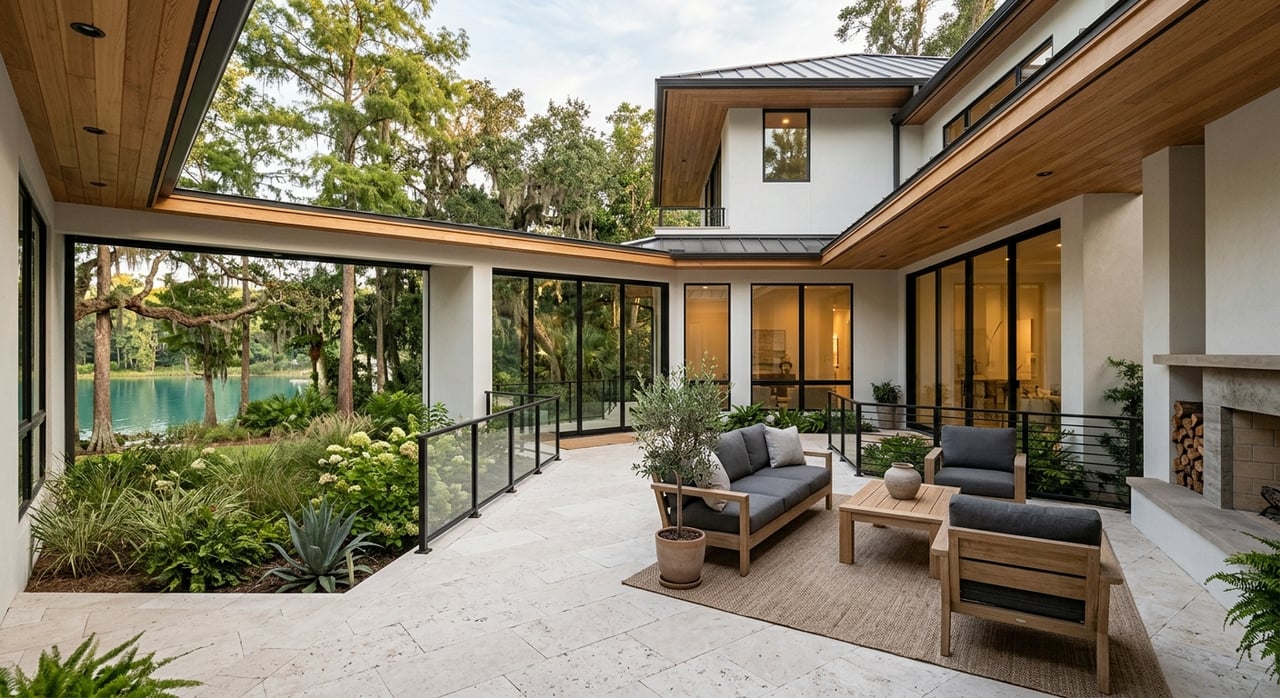
- Lake-view: Offers a visible water view, but not necessarily direct access
- Dock-capable: May have the potential for a dock, subject to site conditions and approvals
- True waterfront: Direct shoreline location, usually more common in the broader Lake Travis area than in Cedar Park itself
This framework helps you focus on how you plan to use the property. If your goal is daily exercise and weekend paddling, a park-adjacent home may be ideal. If you want to launch a boat from your own property, you are likely looking at a very different search area and a more detailed due diligence process.
Recreation buyers should know
For many buyers, the appeal of living near the water is really about lifestyle. In and around Cedar Park, that usually means easy access to walking, paddling, fishing, and time outdoors rather than private marina living.
Brushy Creek Lake Park and Lakeline Park both support that recreation-first lifestyle. They make it easier to enjoy the water as part of your routine, whether that means a morning walk, a short paddle after work, or a weekend visit to a fishing pier.
Lake Travis expands those options for buyers who want larger-water recreation. Public access points around the reservoir support boating and shoreline use, but some parks may charge entrance or launch fees. If you expect to use the lake often, those ongoing costs are worth factoring into your search.
Floodplain checks matter
Buying near water can be exciting, but it also calls for more careful property review. One of the first things you should verify is whether a home is within or adjacent to a floodplain.
Cedar Park directs residents to floodplain maps and flood information, and the city says floodplain management is handled by the city within Cedar Park boundaries and by Williamson County in unincorporated areas. The city also states that in some floodplain areas, development permits may be denied, and remodeling, expanding, improving, or rebuilding may require permits.
Williamson County says property within or adjacent to the 100-year floodplain generally needs a Floodplain Development Permit. FEMA also notes that in high-risk flood zones, most federally regulated or insured mortgages require flood insurance. That means your housing payment and long-term ownership costs could look different than they would for a similar home farther from the water.
Don’t assume a dock is allowed
If you broaden your search toward Lake Travis, it is important not to assume that buying near the shoreline automatically means you can add a dock. Dock rights and dock feasibility are not guaranteed.
The Lower Colorado River Authority says all docks and marinas on the Highland Lakes must meet its standards. It also states that residential docks on Lake Travis may extend up to 100 feet from the shoreline only if there is an additional 40 feet of lake access available.
Just as important, some sites are not suitable for docks at all. Shallow areas, narrow coves, rocky terrain, and other hazards can limit what is possible. The Lower Colorado River Authority also notes that local rules or HOA rules may be more restrictive, so those need to be checked too.
Lake levels and maintenance trade-offs
Water views can be beautiful, but ownership near the lake comes with practical trade-offs. Lake Travis is part of the Highland Lakes system, and water levels can rise or fall over time.
That variation can affect how close the water feels from season to season. It may also affect dock usability, shoreline access, and upkeep expectations. A property that looks perfect on one visit may function differently when water levels change.
The Lower Colorado River Authority also tracks water-quality concerns in the Highland Lakes, including nuisance aquatic plants, algae, and zebra mussels. Texas Parks and Wildlife warns that zebra mussels are present in Lake Travis, and boaters must clean, drain, and dry gear before moving it to another water body. For buyers, that is another reminder that lake living is about both enjoyment and ongoing responsibility.
Utility and septic questions for lake-lot searches
If your search expands beyond core Cedar Park neighborhoods into more rural or lake-adjacent areas, utility details become more important. Not every homesite offers the same setup for water, wastewater, or on-site systems.
The Lower Colorado River Authority regulates on-site sewage facilities within a 2,000-foot zone around Lake Travis and a 2,200-foot zone around the upper Highland Lakes. Cedar Park also says residents can contact the Engineering Department about water and wastewater availability if service is not already in place.
These checks are especially important if you are considering a lot, a custom-home site, or a home in a less urbanized area. What looks like a simple lake-area opportunity can involve added review before you move forward.
How to shop smarter near the water
If you want to make a confident decision, compare homes based on how they will actually support your lifestyle. A listing near water is not enough on its own.
Start with these questions:
- Do you want trails and park access, or direct shoreline access?
- Are you looking for kayaking and fishing, or larger boating activity?
- Is the property in or near a floodplain?
- Could flood insurance affect your monthly costs?
- If near Lake Travis, is the shoreline suitable for a dock?
- Are there HOA, local, or LCRA restrictions to review?
- If outside core city areas, are utilities or septic approvals a factor?
When you answer those questions early, you can compare homes with more clarity and avoid surprises later. That is often the difference between buying a home that simply sounds appealing and buying one that truly fits how you want to live.
Finding the right fit near Cedar Park
For many buyers, the best version of lake living near Cedar Park is simple, active, and low stress. Living close to Brushy Creek Lake Park or Lakeline Park can give you regular access to trails, paddling, and open-air recreation without the added complexity of shoreline ownership.
For others, the goal is a broader Lake Travis lifestyle with bigger water, boating access, and a more traditional waterfront feel. That path can offer unique appeal, but it also requires closer review of floodplain status, lake-level changes, dock rules, and site conditions.
The right choice depends on what you mean by “close to the water.” If you define that clearly from the start, your home search becomes much more focused and much more productive.
If you are ready to narrow your search and compare the real differences between park-adjacent homes, lake-view properties, and broader waterfront options, Luxury Presence can help you move forward with clarity.
FAQs
What does lake living in Cedar Park usually mean?
- In Cedar Park, lake living usually means being close to parks and trails like Brushy Creek Lake Park or Lakeline Park rather than owning a true waterfront home.
Are there true waterfront homes in Cedar Park?
- Most water-oriented options in Cedar Park are tied to public park amenities, while buyers looking for direct shoreline living usually need to explore the broader Lake Travis area.
Can you swim or use a motorboat at Brushy Creek Lake Park?
- No. The city says Brushy Creek Lake Park allows non-motorized boating, while swimming, motorized boats, and trolling motors are not allowed.
What should buyers compare in homes near the water around Cedar Park?
- Buyers should compare the type of access a property offers, such as park-adjacent, trail-adjacent, lake-view, dock-capable, or true waterfront, and then verify floodplain status, insurance needs, and any shoreline or utility issues.
Can you build a dock on any Lake Travis property?
- No. Dock feasibility depends on Lower Colorado River Authority standards, shoreline conditions, available lake access, and any local or HOA restrictions.
Why do lake levels matter for homes near Lake Travis?
- Lake Travis levels can change daily, which may affect shoreline access, dock use, maintenance expectations, and how the property’s water view looks over time.