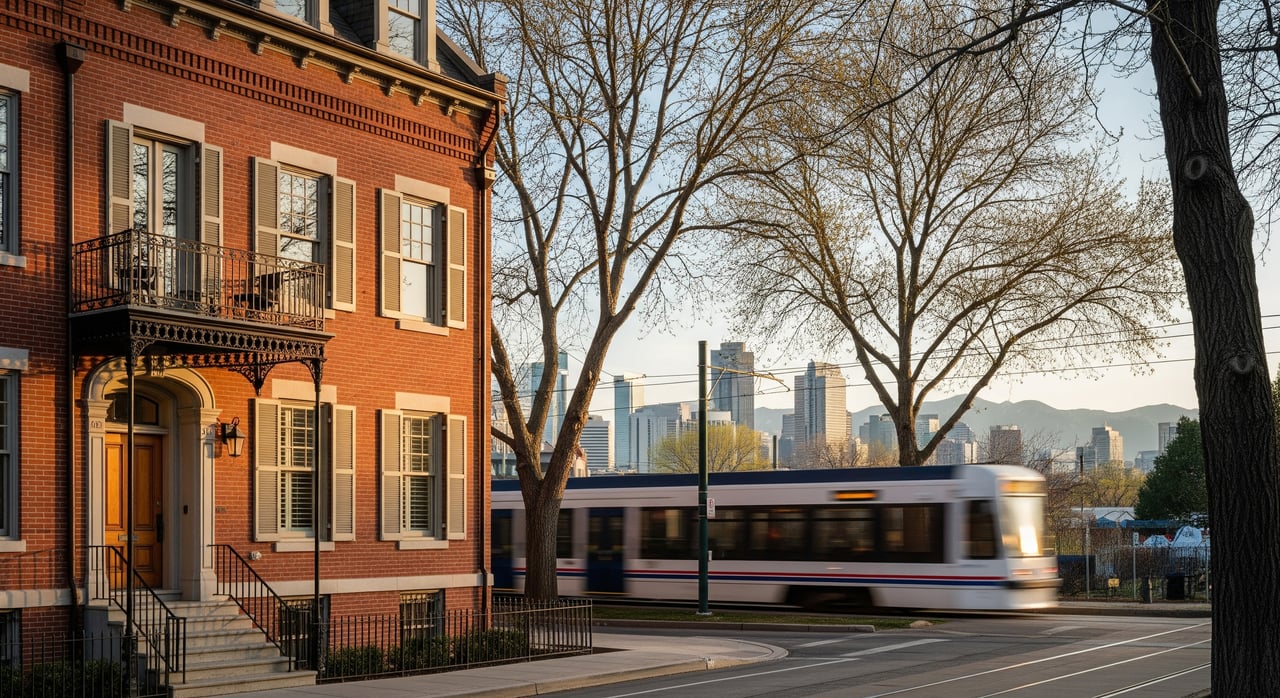
Thinking about moving to Highland in Denver’s 80211? If you want close-in city living, quick access to downtown, and a walkable dining scene, this neighborhood sits right in your strike zone. You may be weighing commute times, transit options, and what housing really looks like block by block. In this guide, you’ll get a clear picture of daily logistics, market realities, and practical steps to decide if Highland fits your lifestyle. Let’s dive in.
Highland at a glance
Highland sits just northwest of downtown Denver, across the South Platte River. The vibe blends historic homes with newer townhomes and mid-rise condos, plus busy commercial spots for coffee, dinner, and nightlife. You can walk to restaurants and small shops in several pockets, and Sloan’s Lake is a short hop to the west for open space and loops.
Micro-areas to know
- LoHi (Lower Highland): A lively dining and nightlife corridor with a premium price profile and more evening activity.
- West Highland / Highlands Square: A neighborhood feel with local shops and calmer streets compared with LoHi.
- Near Sloan’s Lake and Tennyson: Access to the lake and additional retail nodes, with block-by-block differences in pace and housing styles.
Housing in 80211
What you will find
You’ll see a mix of late 19th and early 20th century single-family homes, newer infill single-family builds on small lots, and a wide range of townhomes and condos. Many older homes have updates, while newer product raises overall density and brings garage parking or roof decks. Rental choices include studios through two-bedroom condos and some larger floor plans in multifamily buildings.
Price and competition
Highland typically prices above the Denver metro median because of its central location and limited detached-home supply. LoHi often commands a premium. Condos and townhomes provide entry-to-mid price points, while detached and remodeled historic homes reach higher price levels. Competition for move-in ready homes on desirable blocks can be strong when inventory is tight.
Buyer considerations
- Age and condition: Older homes can bring foundation, systems, or energy-efficiency projects. Plan for inspections and scope of work.
- HOAs in condos/townhomes: Review dues, rules, reserves, and any special assessments. Healthy reserves matter for long-term costs.
- Zoning and infill trends: Understand allowed density and height near your target block. This helps set expectations for future construction.
- Financing and approvals: If you’re buying a condo, check lender approval requirements and association documentation early.
Seller insights
Lean into staging that highlights outdoor space, views, and modern kitchens. Many buyers want walkability, quick access to Union Station, and low-maintenance living. Proximity to restaurant corridors can be a plus for lifestyle-focused buyers, though some shoppers prefer quieter streets. Work with a team that can position your home to the right audience and time the market.
Commute primer
Driving times and access
Highland is one of the closest residential areas to central downtown. Off-peak, a drive to core downtown destinations can be under 10 minutes. Peak traffic can push that higher. Typical ranges to major job centers are:
- Union Station / central downtown: often under 10 to 20 minutes depending on origin and time of day.
- Denver Tech Center: about 20 to 40 minutes by car depending on congestion.
- Boulder: about 30 to 50 minutes with peak variation.
- Denver International Airport: about 30 to 50 minutes.
Local access to I-25 and I-70 keeps regional routes close. Always run your specific address through a mapping app with “depart at” times for morning and evening windows to confirm.
RTD transit options
Union Station is the regional transit hub for RTD light rail, commuter rail, local buses, and the airport’s A Line. From Highland, you can reach Union Station by a short bus ride, bike, or a longer walk depending on your block. Several bus routes run along key corridors such as Federal Boulevard, 32nd and 33rd avenues, and 27th and 29th streets. Schedules change, so confirm routes and frequencies using the RTD website. RTD offers single-ride fares and pass options; check current prices and zones before you set your routine.
Biking and walking
Walkability is a strong draw, especially around LoHi and Highlands Square. Many residents walk to daily needs or combine walking and transit. Denver continues to expand its bike network, and Highland’s short distance to downtown makes cycling a realistic commute for many. Plan for winter weather and occasional event closures, and review the city’s bike network to map a safe route.
Rideshare and micro-mobility
Uber and Lyft are common for last-mile trips or late evenings. E-scooters and e-bikes operate in Denver and are typically available in Highland. Some residents use a hybrid approach with a monthly transit pass for weekdays and rideshare on nights or weekends.
Parking and daily logistics
Street and permit parking
Street parking varies by block. Areas around LoHi’s dining corridors can be busy during peak evening hours, and some streets use meters or paid parking. Parts of Highland use Residential Parking Permits (RPP). If a block participates in RPP, residents can apply for permits subject to city rules. Review eligibility and current rules on the City and County of Denver site before you rely on on-street parking.
Off-street options and nightly patterns
Newer condos and townhomes often include deeded or assigned garage spaces. Some historic homes have alley-access garages, while others rely on street parking. If you are close to restaurant or event areas, expect higher evening demand, plus more rideshare traffic. Visit the block at different times to check the parking pattern.
What’s changing and what to watch
Infill and zoning
Close-in neighborhoods like Highland experience steady redevelopment pressure. Review city planning documents for design guidelines, historic overlays, and allowed densities before you buy. This helps you anticipate future projects near a preferred block.
Transit and street projects
Service changes, protected bike lane extensions, and street rebuilds can affect your daily routine. Check RTD service notices and city project pages to track changes that impact commute times, parking, and access.
Relocation checklist
- Define your daily destinations and run test commutes at morning and evening rush hours using a map app.
- Use the RTD website to map transit options to Union Station, DTC, or DIA.
- Walk the block at different times to check noise, traffic, and parking availability.
- Choose a housing type that fits your maintenance comfort: historic single-family, newer infill, or a condo/townhome with HOA services.
- For condos and townhomes, review HOA rules, reserves, insurance coverage, and recent meeting minutes.
- Budget for ownership costs: HOA dues, maintenance, and property taxes. Ask your lender to estimate total monthly costs.
- Compare commute costs: monthly transit pass vs. car ownership, parking, fuel, and insurance.
- If schools are part of your plan, confirm boundaries and enrollment steps with Denver Public Schools.
- For safety and peace of mind, review neighborhood crime maps on the Denver Police Department site.
Trusted resources
- Plan routes, schedules, and passes on the RTD official site.
- Review city rules, permits, and planning info on the City and County of Denver website.
- Track market trends through the Denver Metro Association of Realtors and your agent’s MLS updates.
- Check block-level walk, transit, and bike scores on Walk Score.
- Review crime data with the Denver Police Department.
- Confirm school information with Denver Public Schools.
Ready to see how Highland fits your day-to-day and your budget? Our neighborhood team pairs fast market intel with off-market access and tech-enabled tools to help you move with confidence. Book a consultation and start your search through our site powered by Luxury Presence.
FAQs
How long is the commute from Highland to downtown Denver?
- Off-peak drives can be under 10 minutes to central downtown. Peak periods vary by block and day, so run your address through a map app with “depart at” times for the most accurate estimate.
What RTD options serve Highland residents?
- Multiple bus routes run along Federal Boulevard and cross streets like 32nd/33rd and 27th/29th, with connections to Union Station, the hub for light rail and commuter rail. Use RTD’s trip planner for current schedules and frequencies.
Is living car-free realistic in Highland?
- It can be for some households. Walkability is strong in commercial nodes, transit connects through Union Station, and biking to downtown is feasible. Test your daily routes before committing.
What housing types are most common in 80211?
- You’ll find historic single-family homes, newer infill single-family, and a large share of townhomes and condos. Older homes may need updates, while newer properties often include garage parking.
How does parking work near LoHi’s dining corridors?
- Expect higher evening demand and some metered or paid parking. Certain blocks use Residential Parking Permits for residents, so check city rules and block eligibility before relying on street parking.