Looking for a home that feels a little quieter, a little more tucked away, and a little easier to enjoy day to day? In Cedar Park, cul-de-sac living often stands out for exactly those reasons. If you are weighing lifestyle, long-term comfort, and future resale appeal, it helps to understand what a cul-de-sac can and cannot offer in this market. Let’s dive in.
Why cul-de-sacs fit Cedar Park
Cedar Park has many of the traits that make cul-de-sac living especially appealing. The city describes itself as a family-oriented community and prioritizes neighborhood safety, connectedness, trails, and mobility in its strategic goals. It also maintains more than 1,000 acres of parkland, more than 40 parks, and 34 miles of trails.
That local setup matters because a cul-de-sac is not just about the shape of a street. It is about how your home connects to daily life. In a city with strong park access, outdoor amenities, and a high share of owner-occupied homes, a quieter street pattern can feel like a natural fit.
Census data also points to a stable suburban market. Cedar Park’s 2024 population estimate was 78,380, with 25.8% of residents under 18 and a 67.3% owner-occupied housing rate. The mean commute time was 26 minutes, which supports the idea that many buyers are balancing home life, commuting, and long-term ownership.
What cul-de-sac living feels like
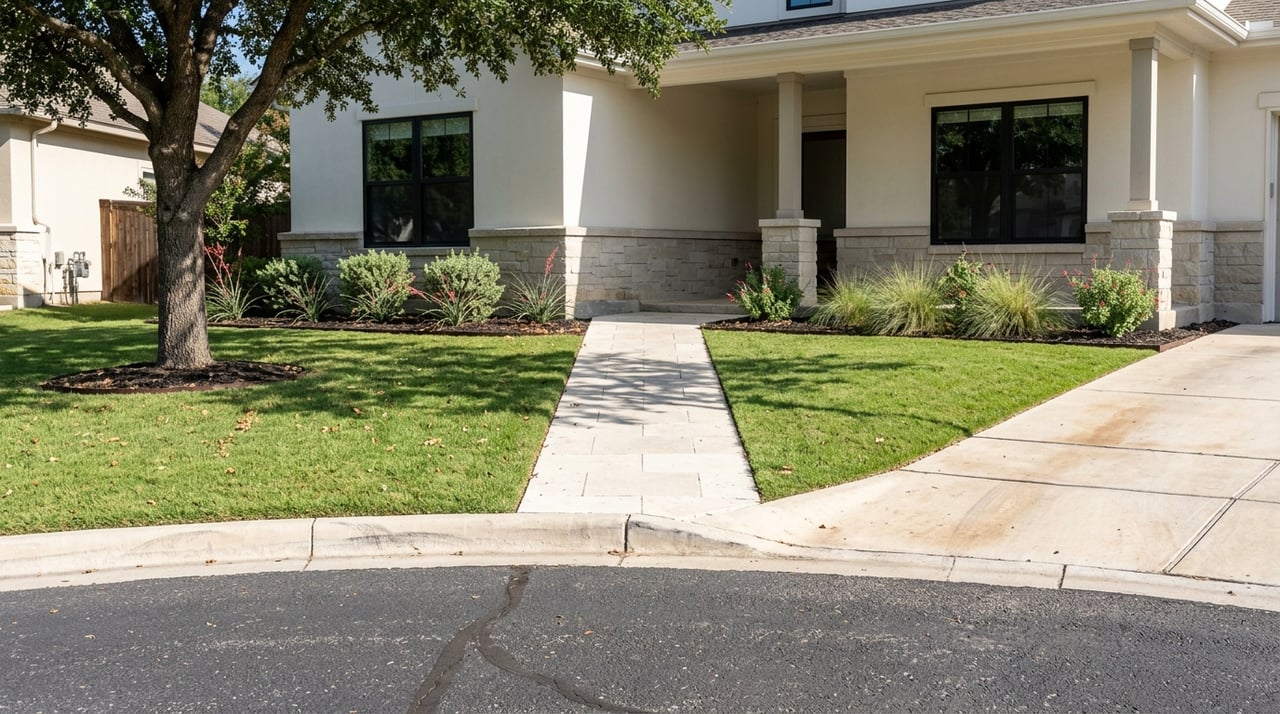
For many buyers, the first draw is simple: less through-traffic. Because cul-de-sacs do not function like pass-through streets, they often feel quieter and more removed from busy daily flow. That can change how you use both your front yard and the street itself.
Research on neighborhood design shows that cul-de-sacs and other low-traffic street patterns are linked with stronger parental safety perceptions and more outdoor play. A systematic review also found that traffic and built-environment conditions influence how safe parents believe children’s walking routes are. While every street is different, lower traffic tends to be part of the appeal.
That does not mean every cul-de-sac feels the same. Some have a true tucked-away feel, while others sit close to busier collector roads or major neighborhood entrances. When you tour a home, it is worth looking beyond the map and noticing actual traffic patterns, noise, parking, and how the lot functions from day to day.
Everyday benefits buyers notice
Many buyers are drawn to cul-de-sacs for practical lifestyle reasons, including:
- Less through-traffic than a typical pass-through street
- A quieter setting for outdoor time
- A street layout that may feel more comfortable for walking, riding bikes, or casual play
- A stronger sense of separation from busier roads
- Space that can feel more private depending on lot shape and home placement
These benefits are often most meaningful when the rest of the location supports them. In Cedar Park, access to parks, trails, and everyday amenities can make that quieter setting feel even more useful.
Parks and trails add to the appeal
A cul-de-sac home tends to feel more valuable when it is paired with things you will actually use. Cedar Park gives buyers plenty to consider on that front. The city’s parks system includes major neighborhood assets like Lakeline Park and Bell Park, both of which support active outdoor living.
Lakeline Park’s first phase includes 3 miles of trails, a playground, a kayak launch, a fishing pier, and multiple pavilions. Bell Park offers 15 acres of play areas and natural spaces near the public library. If you want a home where quieter streets and nearby recreation work together, these kinds of amenities can make a real difference.
Cedar Park’s 2025 resident survey also tracks safety, neighborhood amenities, traffic flow, and mobility as key priorities. That tells you something important about local buyer preferences. People are not just shopping for square footage. They are paying attention to how a neighborhood works in daily life.
Resale appeal in Cedar Park
Cul-de-sacs can absolutely help a home’s appeal, but the smartest way to think about resale is with balance. In Cedar Park, a cul-de-sac location may attract buyers who want less through-traffic, more room for outdoor use, and a quieter setting. That can make a home easier to market to the right audience.
At the same time, it is important not to overstate the financial impact. A cul-de-sac does not guarantee a price premium. Planning research notes that cul-de-sacs have both strengths and tradeoffs, and no single street pattern is universally better than another.
In other words, resale value usually comes from the full package. Buyers look at lot usability, home condition, neighborhood amenities, commute convenience, and overall location together. A cul-de-sac can strengthen the story, but it works best when the rest of the property supports it.
What the current market suggests
Recent market data shows Cedar Park remains an active suburban market. Redfin reported a March 2026 median sale price of $492,000, with homes taking about 49 days to sell and receiving 2 offers on average. Zillow’s December 2025 data put the average home value at $463,623 and the median sale price at $470,833.
These figures are not directly comparable because they measure different things, but they point in the same direction. Cedar Park is a substantial, closely watched housing market where buyers pay attention to location details. In that kind of environment, lifestyle features like a cul-de-sac setting can matter, especially when they align with what buyers already want from suburban living.
What really drives value on a cul-de-sac
If you are buying with resale in mind, the street pattern should be one part of your decision, not the whole decision. A strong cul-de-sac property usually combines several factors that make daily life easier and future marketing clearer.
Here are some of the biggest details to evaluate:
- Lot usability: Is the yard functional, private, and easy to enjoy?
- Home condition: Has the property been maintained and updated where it counts?
- Traffic reality: Does the street actually feel calm at different times of day?
- Park and trail access: Are nearby outdoor amenities easy to reach?
- Commuting routes: How quickly can you get to major roads, rail connections, or daily destinations?
- Attendance zoning: Have you verified the address with official tools if school zoning matters to your search?
This last point is especially important in Cedar Park. Leander ISD advises families to verify school zoning by address using official tools and county appraisal records rather than relying on a general map. If that factor matters to you, verify it early and directly.
Mobility still matters
A quieter street can be appealing, but you still need a home that works for real life. Cedar Park emphasizes mobility access through major highways and Metrorail, and the city has also launched LiNK Cedar Park, a reduced-fare microtransit pilot connecting riders to Lakeline Station and the regional transit network.
That means the best cul-de-sac homes are not just tucked away. They are also well positioned for the routines that shape your week. When a home offers both a calmer immediate setting and reasonable access to larger transportation options, it often checks more boxes for long-term owners.
Is a cul-de-sac right for you?
If your top priorities include quieter surroundings, lower through-traffic, and a setting that supports outdoor time, a cul-de-sac may be a strong fit. In Cedar Park, that appeal is reinforced by the city’s parks, trails, and community focus on safety and neighborhood livability. For many buyers, it feels like a practical lifestyle choice rather than just a nice bonus.
If you are thinking about resale, keep your expectations realistic and informed. A cul-de-sac can improve a home’s lifestyle appeal and help it stand out to certain buyers, but it is rarely the only reason a home performs well. The best results usually come from the combination of location, condition, usability, and access to the amenities people want most.
When you evaluate a cul-de-sac home in Cedar Park, focus on how the property lives today and how it may read to future buyers later. That clear, balanced view will help you make a smarter decision with more confidence.
If you want help weighing street location, neighborhood amenities, and resale potential, Luxury Presence can help you look at the full picture with a clear strategy.
FAQs
Is cul-de-sac living in Cedar Park usually quieter than living on a through street?
- In many cases, yes. Cul-de-sacs often have less through-traffic, which can create a quieter feel, but the actual experience still depends on the street’s location, nearby roads, and daily traffic patterns.
Do cul-de-sac homes in Cedar Park have better resale value?
- A cul-de-sac can improve lifestyle appeal for buyers who want less traffic and a quieter setting, but it does not guarantee a higher sale price. Resale usually depends on the full property package, including condition, lot usability, amenities, and location.
Why do Cedar Park parks and trails matter when buying on a cul-de-sac?
- Parks and trails can strengthen the day-to-day appeal of a cul-de-sac home. Cedar Park has more than 1,000 acres of parkland, more than 40 parks, and 34 miles of trails, which adds useful outdoor access to quieter residential settings.
What Cedar Park amenities support cul-de-sac lifestyle appeal?
- Local amenities such as Lakeline Park, Bell Park, trails, playgrounds, and community recreation spaces can make a cul-de-sac location more enjoyable for everyday living.
How should buyers verify school zoning for a Cedar Park home?
- If school zoning matters to your decision, Leander ISD advises verifying the address through official district tools and county appraisal records instead of relying on a general map.
Does a cul-de-sac location matter in Cedar Park’s current housing market?
- It can matter because buyers often pay attention to lifestyle details in an active suburban market. A cul-de-sac may help a home appeal to buyers looking for a calmer setting, but it works best alongside strong overall property features.